The 4th Symposium “NutriExcellence – Bulgarian Dietetic Days 2026" was held from 27 to 29 March 2026, focusing on digestive system diseases and integrative approaches to their treatment. The event brought together leading physicians, pharmacists, and young scientists to address current trends in the diagnostics, treatment, and diet therapy of gastrointestinal disorders. The event was organised by the National Association of Practical Dietetics and Integrative Medicine (NAPDIM) and MU–Varna.

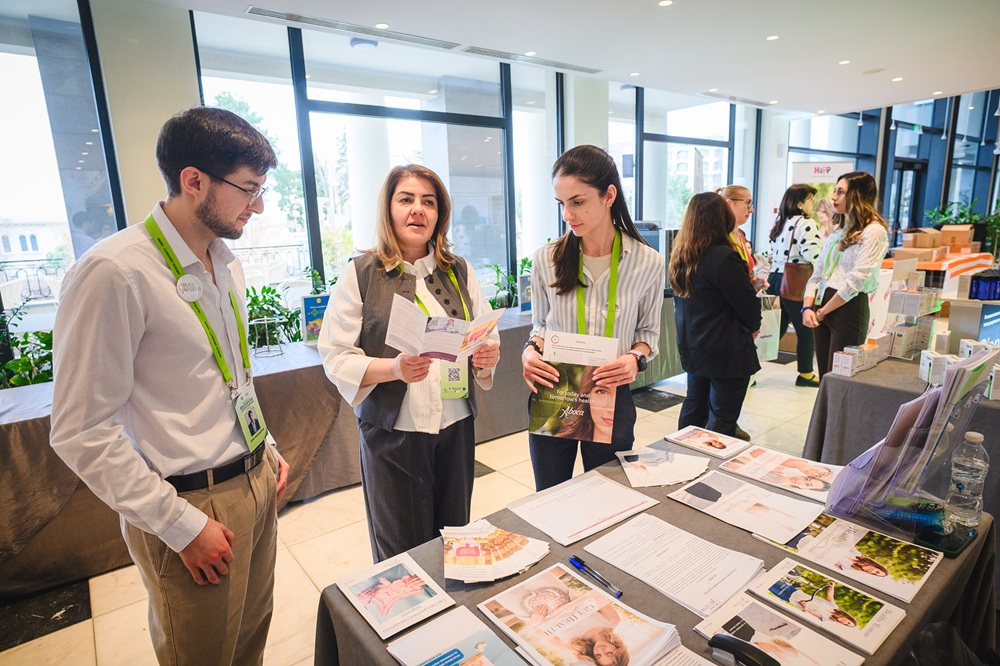
Within the course of the three-day programme, more than 420 participants took part in scientific sessions, practical trainings, poster presentations, and discussions that outlined the role of nutrition as a key factor in the comprehensive care of patients.
The official opening laid emphasis on the relationship between body weight and chronic diseases, including osteoarthritis, while the first scientific session was focused on malnutrition in gastroenterology. Lecturers presented up-to-date data on nutritional deficiencies in various conditions such as gastroesophageal reflux disease, atrophic gastritis, and post-surgical states, as well as the challenges of refeeding syndrome and nutritional support.
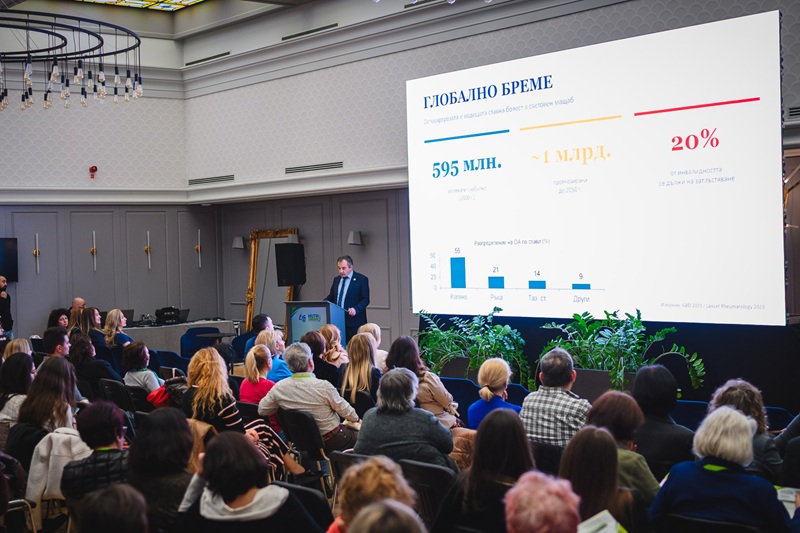

The first day also highlighted bariatric surgery and postoperative follow-up, along with the role of enteral nutrition and the management of malabsorption syndromes. The poster session showcased a wide scope of scientific research—from the impact of the microbiome and nutrition on therapeutic response in oncological diseases to innovative approaches in gastroesophageal reflux disease and inflammatory bowel diseases.
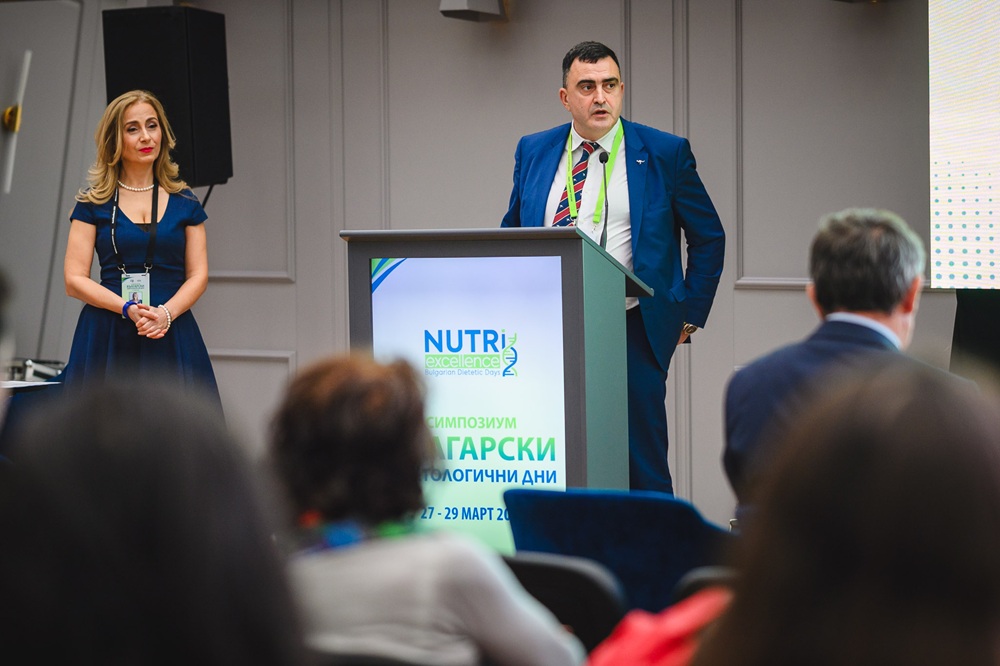
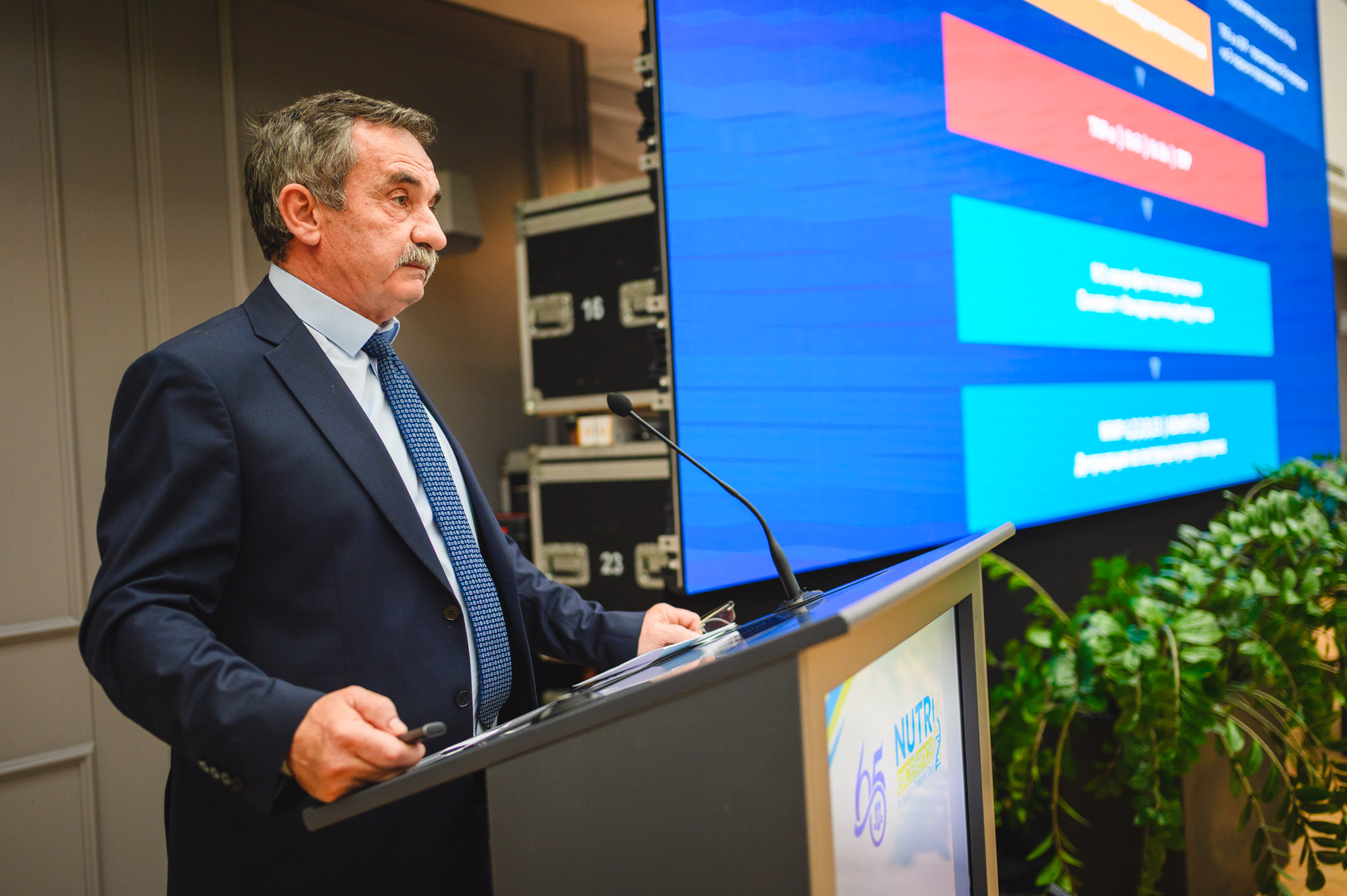
The second day continued with a focus on liver diseases and metabolic syndrome, with young specialists presenting new data on MAFLD, including diagnostic and therapeutic strategies and the role of dietary intervention. This was followed by sessions focusing on viral hepatitis, modern non-invasive methods for assessing liver damage, and the importance of nutrition and supplementation.
Particular attention was given to chronic pancreatitis, diabetic gastropathy, and diverticulosis, with experts underscoring the necessity of a personalised approach and interdisciplinary collaboration. The afternoon poster session reflected increasing interest in topics related to nutrigenomics, the gut–brain axis, the role of probiotics, and innovative therapeutic strategies for metabolic and gastrointestinal disorders.
The final day was entirely practice-oriented. Participants were involved in training modules focused on irritable bowel syndrome, psychosomatics, and the connection between mental health and the digestive system. Effective dietary therapy approaches, self-help techniques, and integrative treatment models were presented. The second part of the workshops addressed modern laboratory markers and imaging methods for dyspepsia, along with the diagnosis of food intolerances and allergies.