The University Specialised Eye Hospital at MU–Varna is the first medical institution in the region to introduce one of the most innovative minimally invasive techniques for vision correction in modern refractive laser surgery—the SMILE method. Until recently, this method was available only in Sofia and Plovdiv. In Varna, the procedures are performed by a specially trained team of ophthalmologists at the medical facility.
“At present, the University Specialised Eye Diseases Hospital for Active Treatment–Varna (USEDHAT–Varna) is the only eye hospital in the region performing laser refractive corrections using the SMILE method," emphasized Prof. Dr. Zornitsa Zlatarova, a highly experienced ophthalmologist and manager of the medical institution. Refraction is the eye's ability to bend light through the cornea and lens, focusing it onto the retina. It is measured in dioptres, specified Prof. Zlatarova, adding that the medical facility is equipped with the most advanced medical technology in Eastern Bulgaria for this type of laser eye surgery. These include next-generation femtosecond and excimer lasers, in which Medical University–Varna has invested in recent years to modernise the Eye Hospital.
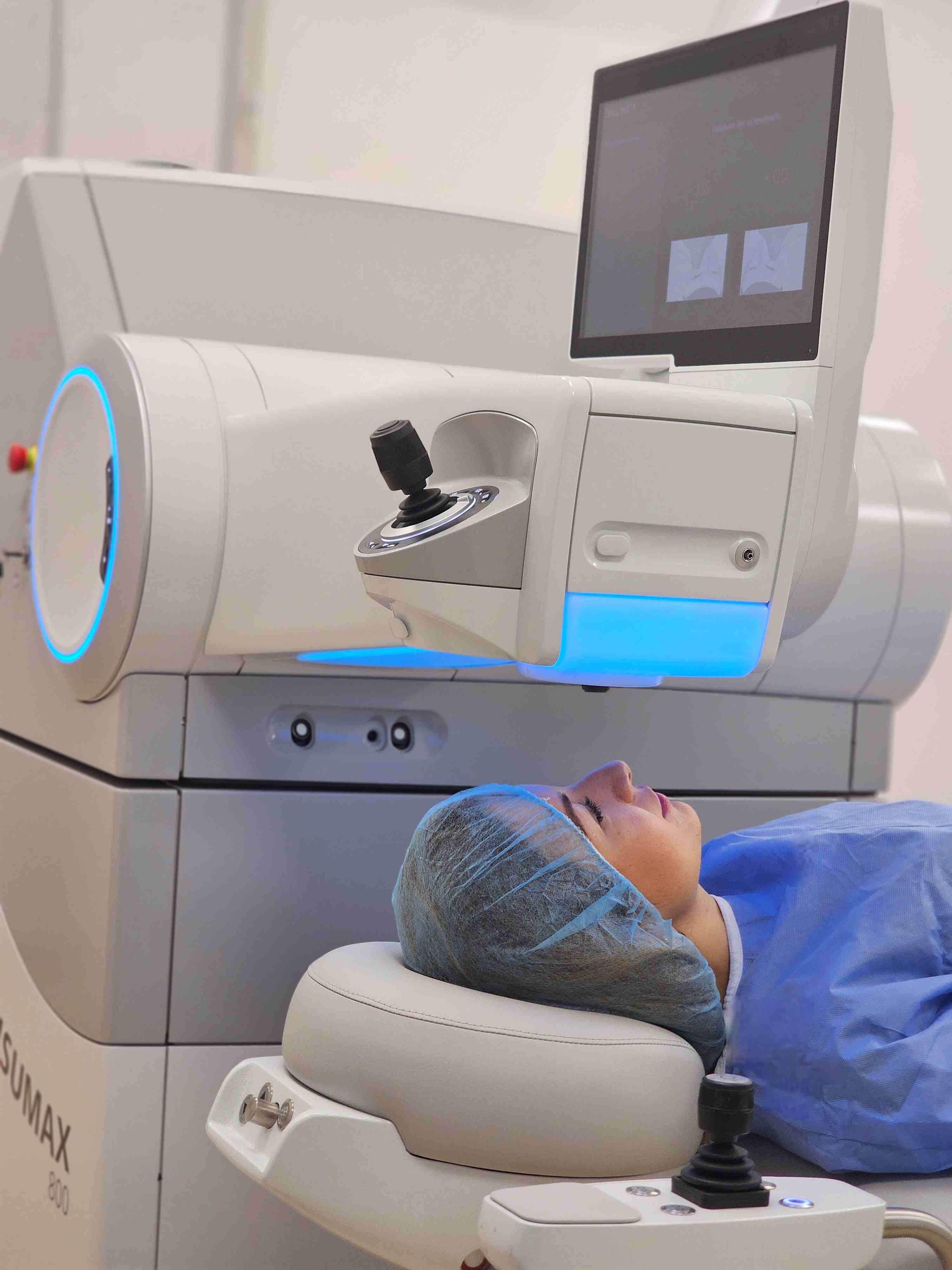
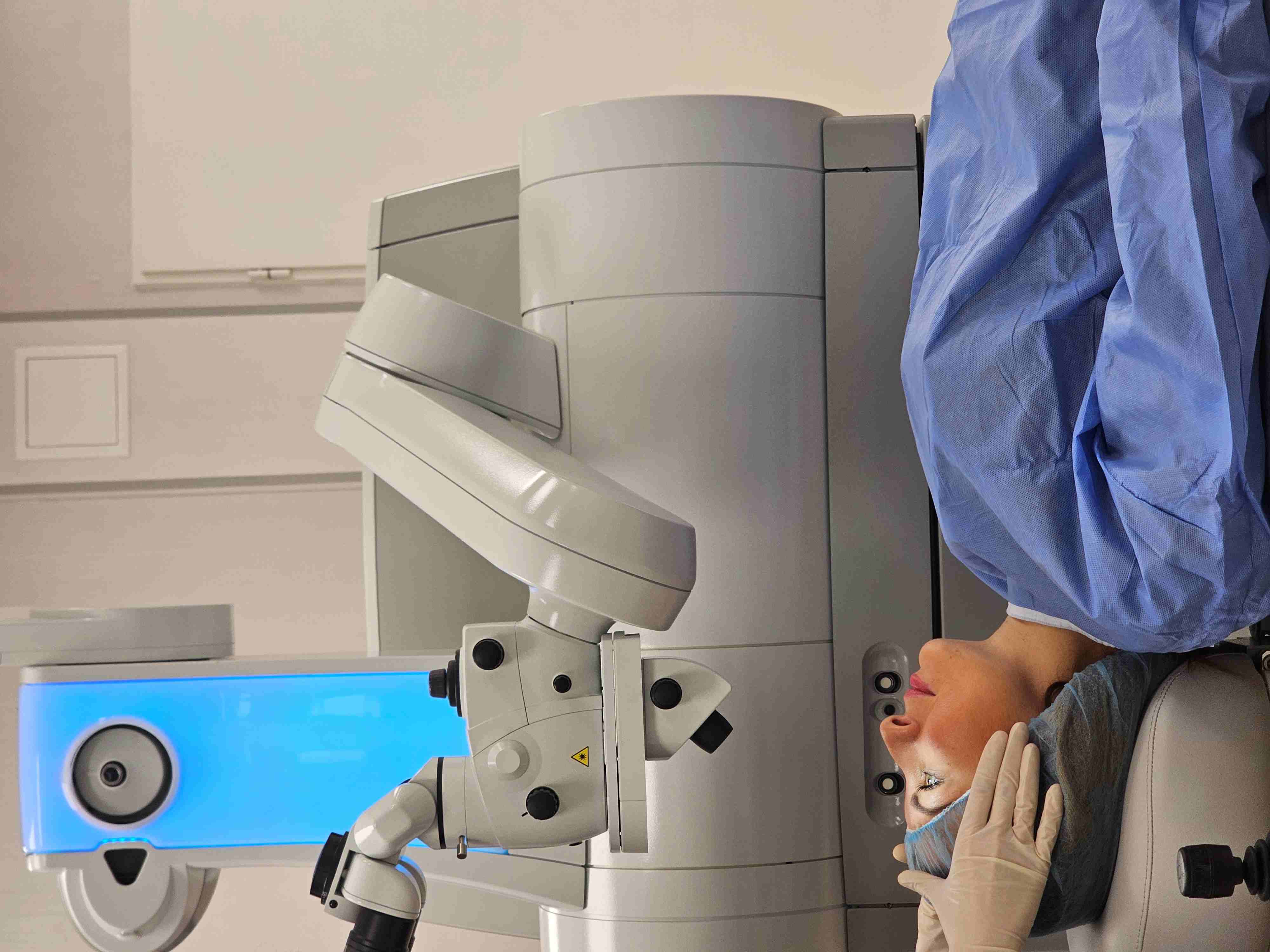
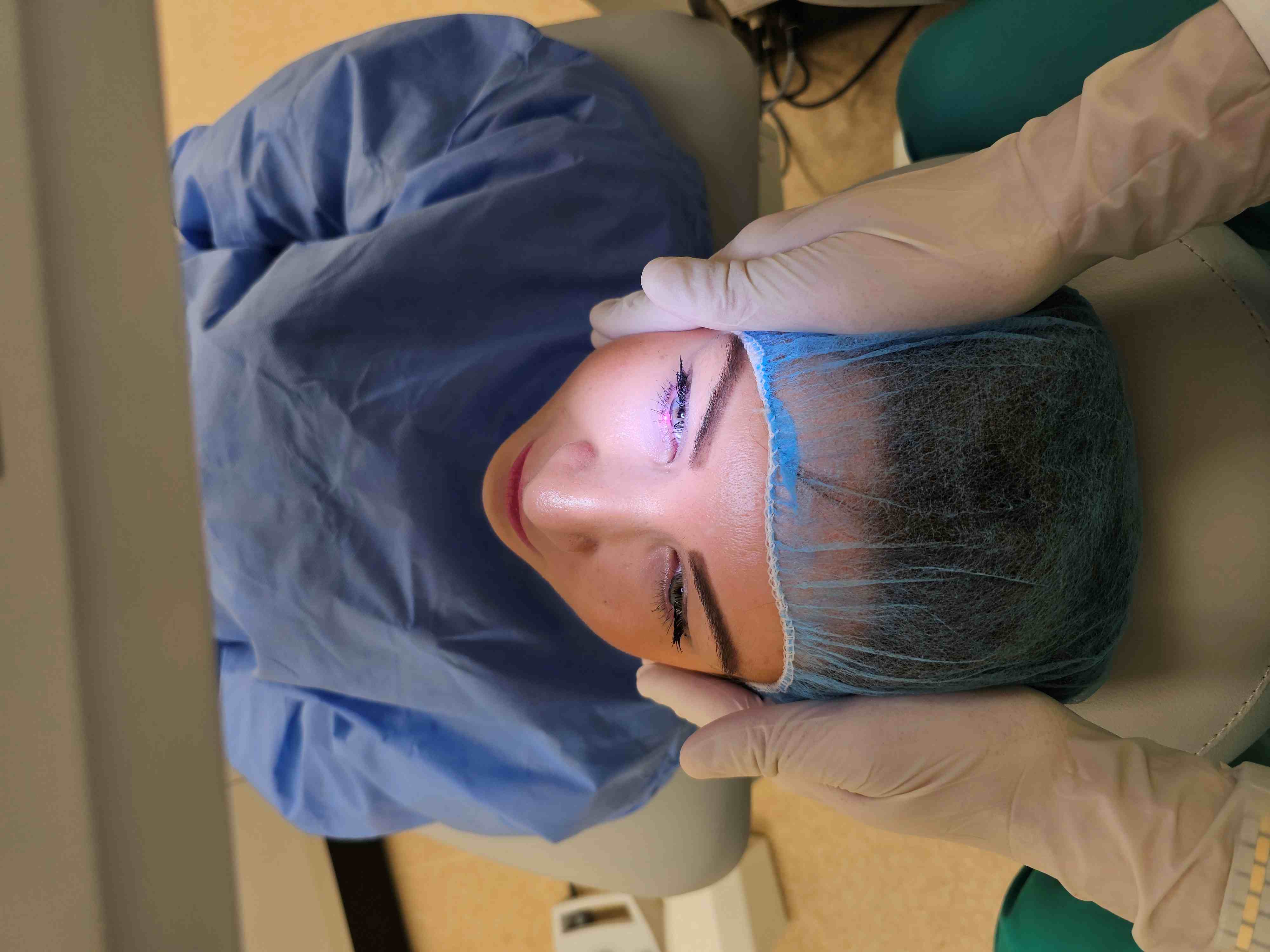
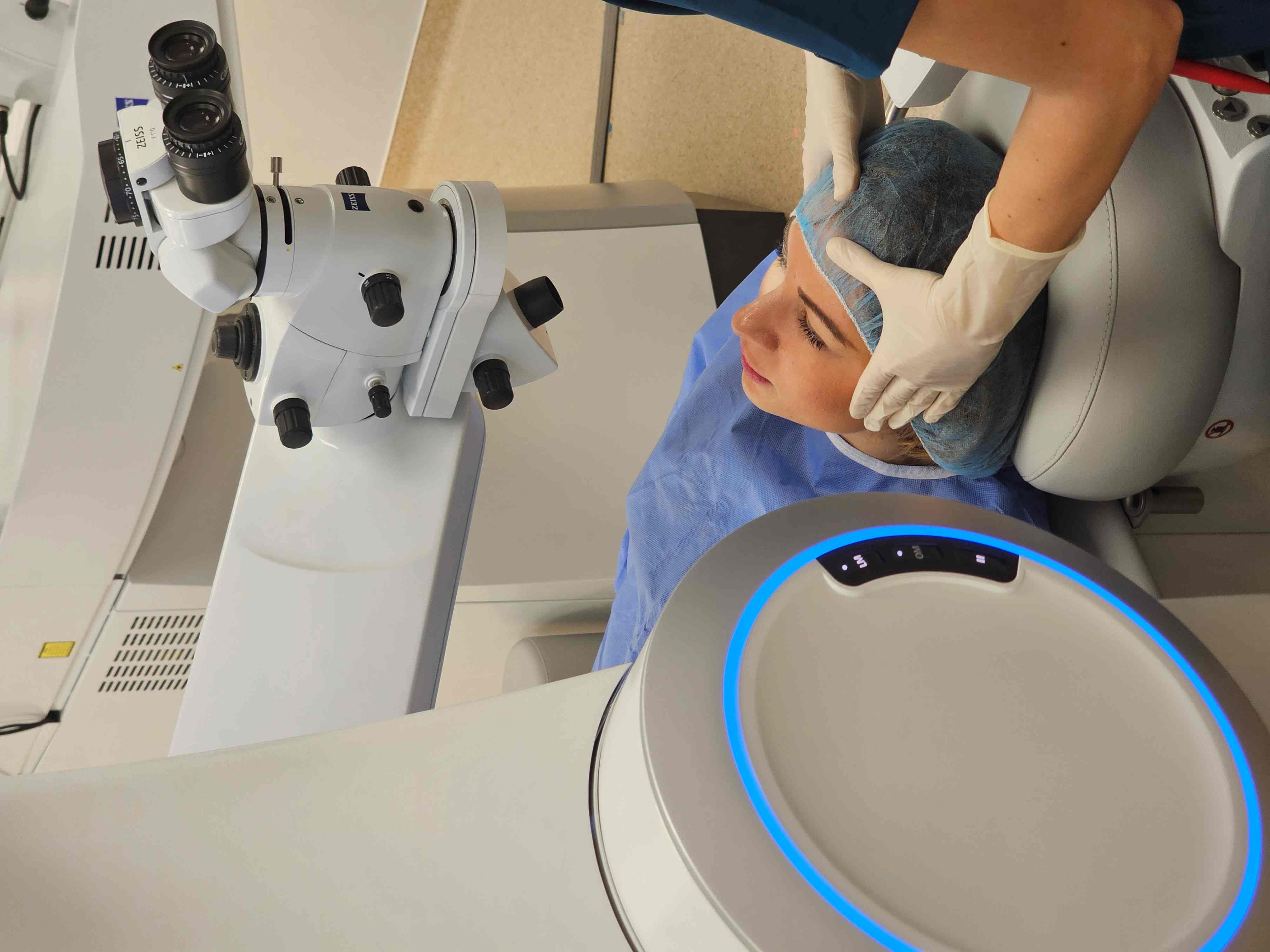
The two types of lasers function differently, but their combined use allows for highly precise and long-lasting results, eliminating the need for glasses. Laser technologies can correct myopia, hyperopia, and astigmatism, and in certain cases, presbyopia. The most suitable method is determined individually after a detailed examination and consultation with a specialist.
Assoc. Prof. Dr. Mladena Radeva, part of the Eye Hospital team in Varna, is among the young and already well-established ophthalmologists working with the modern laser equipment. She explained that SMILE procedures are quick and comfortable for patients, taking only a few minutes per eye. Anaesthetic eye drops are applied, and patients typically feel only slight contact or pressure. Using a femtosecond laser, the ophthalmologist makes a tiny incision in the cornea and removes a precisely calculated piece of tissue from its central area. This reshapes the cornea and changes its refractive power, eliminating the need for glasses.
According to specialists, the main advantage of the SMILE method is that it is minimally invasive, specifying that unlike other popular techniques, it does not require creating a corneal flap. This preserves eye tissue and significantly reduces the risk of complications. The procedure is painless, highly precise, and safe, and after it, patients no longer need prescription glasses. Temporary discomfort or blurred vision may occur after the procedure, but they resolve quickly. Recovery is short, and in most cases, vision improves within one to two days. Patients usually return to their normal daily routine as early as the day after the procedure. Full stabilization of vision is achieved within a few weeks.
New technologies in laser eye surgery allow procedures to be planned with great precision according to the individual characteristics of each eye, Prof. Zlatarova noted. They also enable extremely accurate diagnostics and excellent control during the procedure itself. This makes the interventions fast, predictable, gentle, and painless. Vision stabilises more quickly, and the cornea retains greater mechanical strength.
For people who have relied on glasses or contact lenses for years, modern laser vision correction techniques can be a solution, but only under certain conditions, specialists emphasize. “A stable result can be expected when dioptres have remained unchanged for at least one to two years prior to the procedure, typically after the age of 18–21, and in the absence of eye diseases," Prof. Zlatarova underscored. Furthermore, Assoc. Prof. Radeva added that the best results are achieved between the ages of 20 and 45. A thorough preoperative examination is mandatory to assess eye health and determine whether the cornea has a suitable shape and thickness for laser correction. The procedure eliminates the need for glasses or lenses but does not prevent natural age-related vision changes nor does it treat other concomitant diseases.
According to Prof. Zlatarova, the introduction of the SMILE method in Varna is an important step for ophthalmological care in North-eastern Bulgaria, as it allows patients to receive high-quality vision correction close to home, comparable to leading European centres, without the need to travel. “The most important thing is for people not to be afraid to ask questions and seek information. Most frequently fear comes from the unknown, on the other hand, when patients know what to expect, they make much calmer decisions," underlined Prof. Dr. Zlatarova.
In addition to refractive surgery, the University Eye Hospital – Varna also provides a range of other laser procedures for retinal diseases, secondary cataracts, glaucoma, and eyelid surgery. These high-tech procedures are just a part of the modern treatment options available to patients at the medical facility.
