For more information, please watch the video
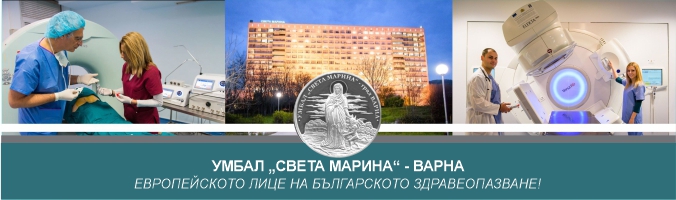
Leading experts in the field of oncology participated at the scientific conference “Multidisciplinary Alliance: Path to Personalised Oncology—Science, Practice, Future", held on 3–4 July at Medical University–Varna. The forum was a part of the programme commemorating the 65th anniversary of the Department of Propaedeutics of Internal Diseases, the 25th anniversary of the establishment of the Faculty of Medicine at MU–Varna, and the 40th anniversary of the foundation of UMHAT “St. Marina" – Varna.
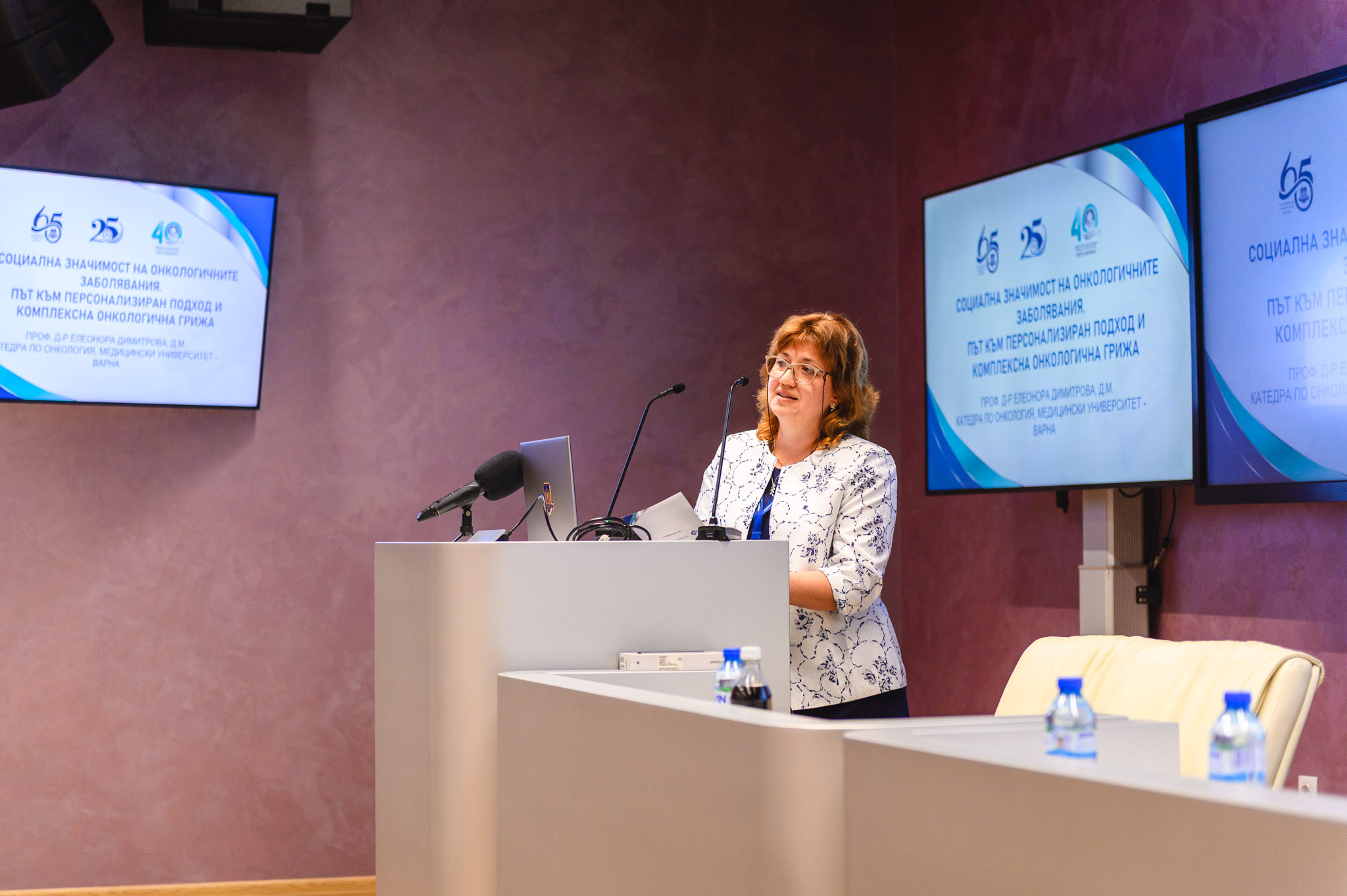
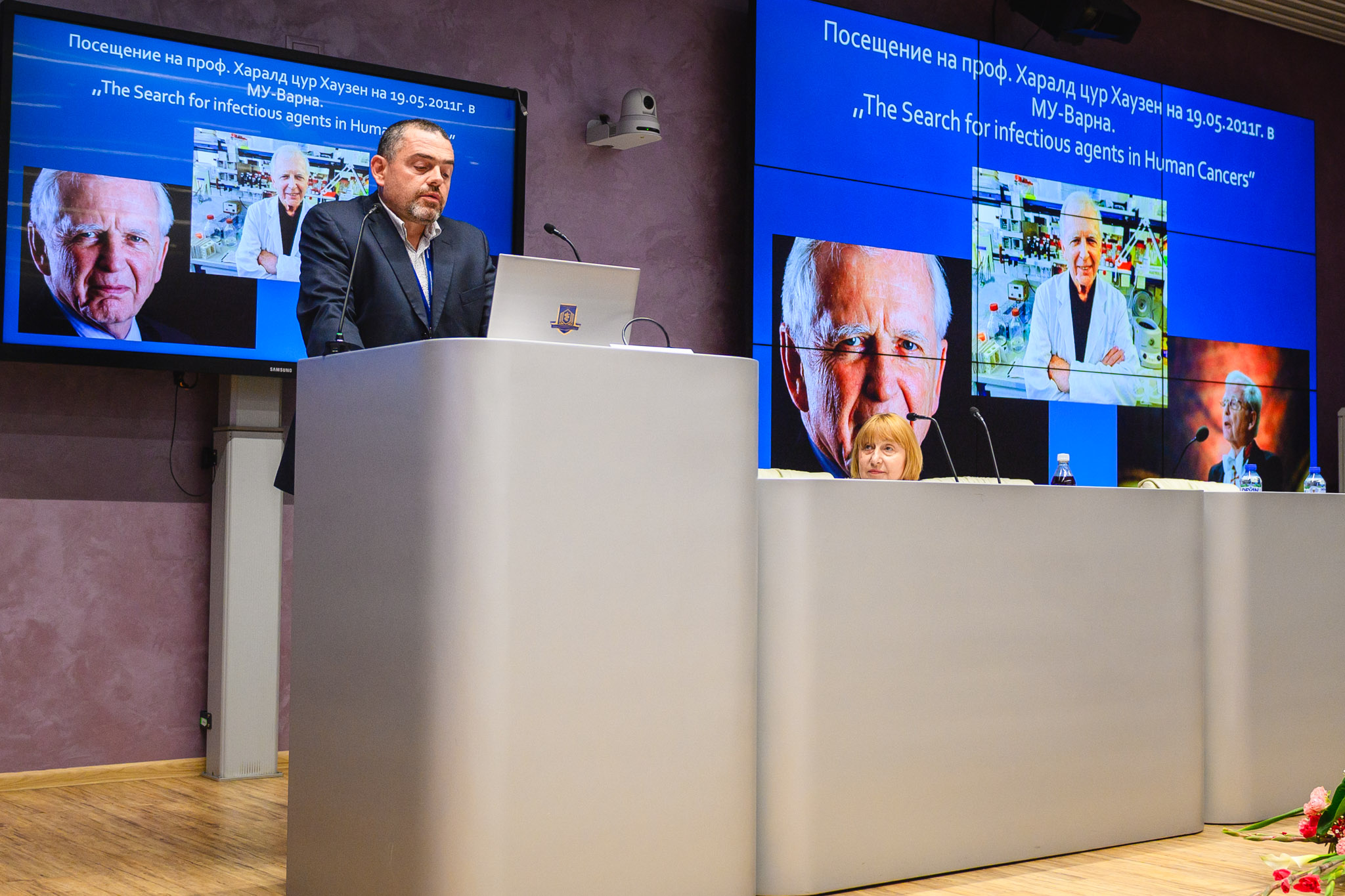
The conference brought together faculty members, researchers, and clinicians from Medical University–Varna, UMHAT “St. Marina"–Varna, and other medical institutions, as well as prominent specialists from across the country, who presented the latest advances in the diagnostics, treatment, and follow-up of oncological diseases. Particular emphasis was placed on the importance of the multidisciplinary approach as the foundation for the development of personalised oncology care.
At the opening of the forum, Prof. Dr. Nikola Kolev, Vice-Rector for Postgraduate Studies at MU–Varna, underscored that the present scientific event was comparable in scale to an international congress, bringing together the expertise of numerous medical specialties. In his address, he noted that oncological diseases are among the most complex conditions, both in terms of their etiopathogenesis and with regard to the diagnostic and therapeutic process. According to him, the multidisciplinary nature of oncology provides an opportunity for the scientific and clinical teams of Medical University–Varna, UMHAT “St. Marina"–Varna, and the clinical training facilities of the University to present their expertise and share best practices.
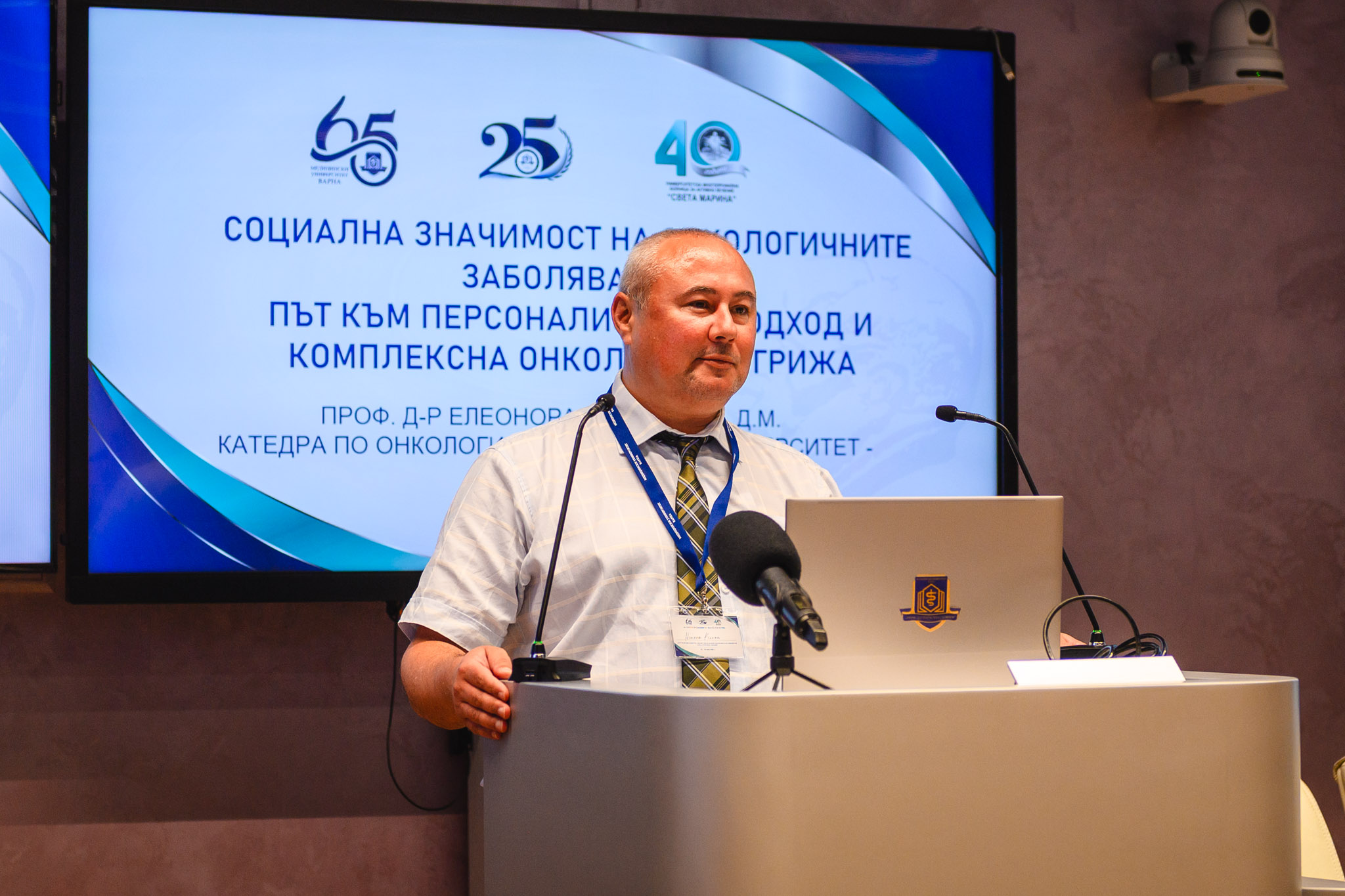
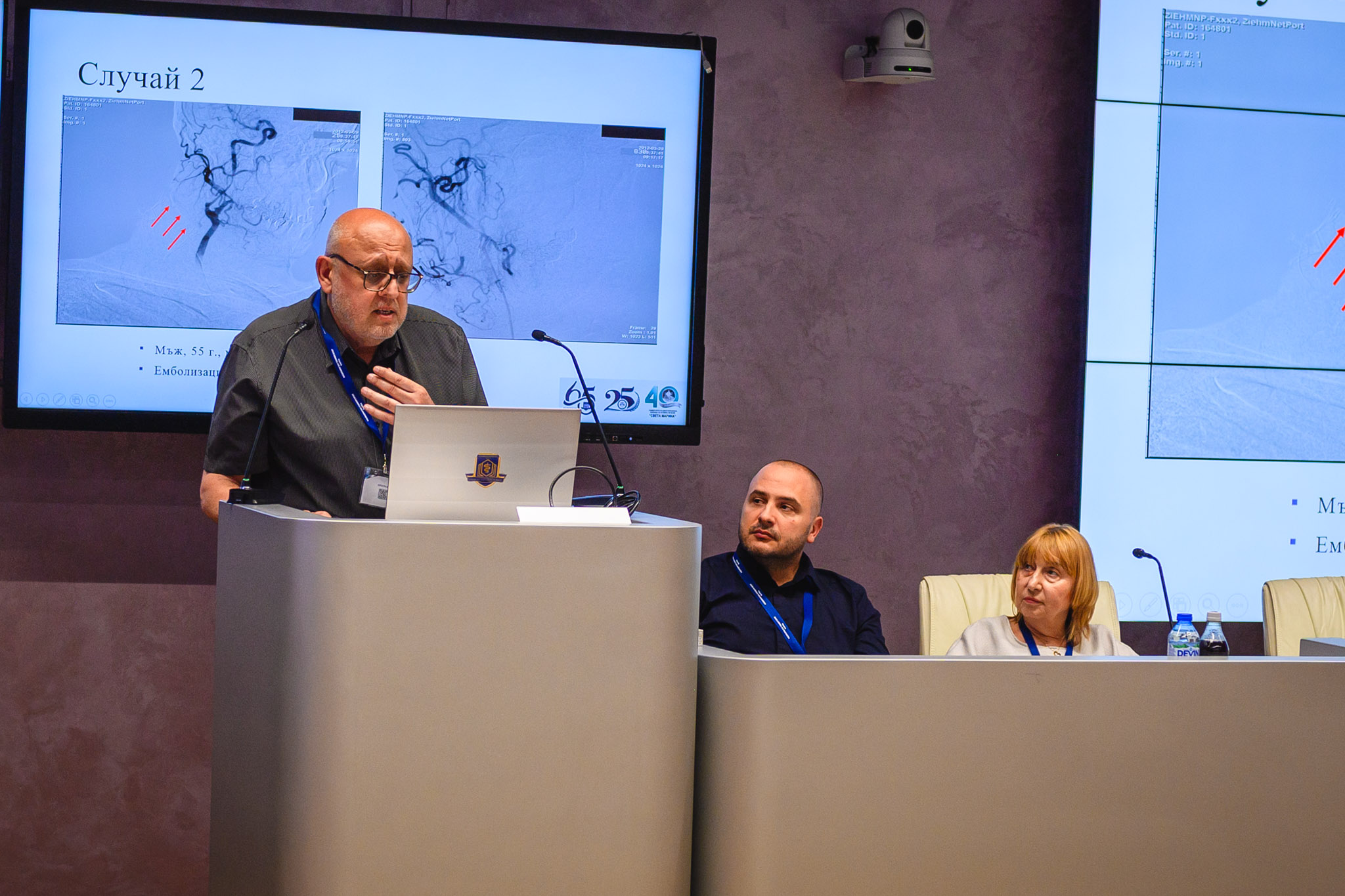
The scientific programme was organised into four thematic sessions covering a broad spectrum of current topics in modern oncology. These included the social impact of oncological diseases, the role of the multidisciplinary team in comprehensive oncology care, modern imaging and molecular diagnostic methods, minimally invasive and robot-assisted surgical techniques, genetic counselling, radiosurgery, cardio-oncology, immunotherapy, oncohaematology, and the treatment of childhood cancers.
The lecturers presented modern approaches to the diagnostics and treatment of various oncological diseases, including prostate, pancreatic, lung, head and neck cancers, brain tumours, and bone neoplasms. The forum also addressed the significance of 3D printing in oncological surgery, the role of genetic counselling in personalised medicine, hematopoietic stem cell transplantation, and the challenges of monitoring patients following modern drug therapies.
During the two-day forum, the participants exchanged scientific and practical experience, discussed new trends in personalised medicine, and outlined the need for even closer collaboration among specialists from different medical disciplines. The general consensus was that the future of successful cancer treatment lies in an integrated, multidisciplinary approach that places the patient at the core of medical care.